

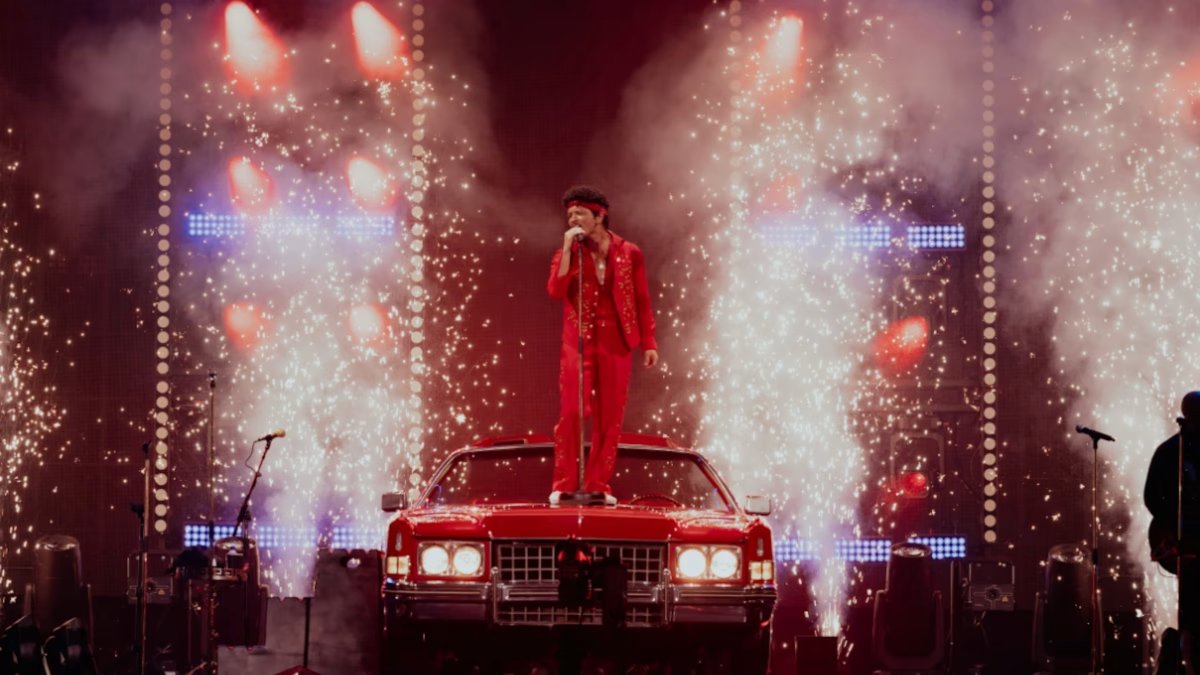
Bruno Mars’ Romantic Tour brought nights of nostalgia, soul and energy to Atlanta on April 25 and 26 as fans filled Bobby Dodd Stadium for one of the most anticipated concerts of the year. The two-night stop marked Mars’ first Atlanta tour appearance in nearly a decade, drawing audiences from across the city and surrounding college campuses.
The Atlanta stop transformed the Georgia Tech venue into a shared experience rooted in connection, sentimentality and anticipation. Students and longtime fans alike gathered hours before the show, many dressed in coordinated outfits, silk pajamas and red toned looks inspired by Mars’ vintage and romance centered aesthetic. The crowd spanned generations creating an environment where first time concertgoers stood alongside longtime fans.
“The crowd was super hyped and excited and the openers DJ PeeWee and Leon Thomas did a great job at keeping the crowd moving and excited until Bruno Mars came on stage,” senior Nazeefa Loladia said.
Mars opened the show with confidence, immediately commanding the stadium as he moved seamlessly between high energy dance numbers and slower, emotionally driven ballads. Backed by a live band, his performance emphasized vocal precision, musicianship and rhythm rather than spectacle alone. The setlist blended fan favorites with newer music reinforcing the romantic theme that defined the tour while allowing longtime hits to feel refreshed in a live setting.
“I think the set list had a great mix of songs from his new album and his classics,” Loladia stated. “Most of it was high energy songs with a few slower ones sprinkled in.”
Throughout the night, Mars frequently interacted with the crowd encouraging fans to sing along, wave their phone lights and stay present in the moment. These interactions helped shrink the size of the stadium, making the performance feel intimate despite its scale. For student attendees, the personal nature of these moments stood out especially in contrast to other large venue concerts that can feel distant or scripted.
The production featured warm lighting, coordinated choreography and strategic staging that highlighted Mars’ movement and stage presence. Instead of relying on overwhelming visual effects the show placed focus on vocals, live instrumentation and chemistry between Mars and his band. This approach reinforced the tour’s emphasis on connection rather than spectacle.
“I loved being able to see the moon while he sang ‘Talking to the Moon,’” Loladia said. “It made it very special in the large, open stadium.”
For students in attendance the concert served as an opportunity not only to see a world renowned artist live, but also to gather with peers and share a collective cultural moment. Many described the experience as a break from academic stress and a reminder of the power of live music to bring people together.
“This was my first concert and singing some of his classics from when we were younger with my best friend really made the night unforgettable,” Loladia reflected.
As the show came to a close, fans lingered in the stadium long after the final song reflecting on a performance centered on romance, nostalgia and shared emotion. For many the Atlanta concerts were more than tour stops. They were memorable nights that blended the music community and feeling in a way attendees expect to carry with them long after the lights went down.