

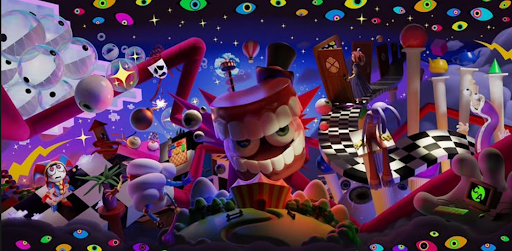
On Oct. 13th, 2023, the YouTube channel Glitch Productions released a new pilot episode of “The Amazing Digital Circus” (TADC), which became one of their most successful launches yet. This started the production of a show that would span across nine episodes released periodically over three years, ending in the summer of this year. The show follows six humans getting trapped in a digital circus run by a rogue artificial intelligence (AI), and they have to figure out how to potentially escape. The show’s latest episode, episode eight, came out on March 20th, with the finale scheduled for June 19th. This show has exploded in popularity because it has expanded on its genre by doing things that no other show has dared to do.
The first, and arguably the most important aspect of this show, is that its animation is geared towards older audiences. Animation is a medium that is usually associated with younger aged viewers, and therefore categorized as such, however TADC has gone far beyond this categorization by using mature language and tackling dark themes, creating a juxtaposition with the bright colors and cartoon-like aesthetic of the show.
“It lures you in with a sort of fun, happy go lucky show,” junior Paige Young said. “You see this fun cast of characters, like a Raggedy Ann doll and a court dresser and a rabbit, and you’re like, ‘Oh, I wonder what they’re doing?’ and they’re actually trying to escape from a digital hellscape.”
The animated style of the show also makes it stand out from other psychological horror media, as those stories are usually told through live action or novel form. TADC pulls a lot of inspiration from these works, mainly the short story “I Have No Mouth, and I Must Scream” by Harlan Ellison, and it takes these ideas and makes them unique and different. For example, the AI in “I Have No Mouth and I Must Scream” deliberately causes harm to the protagonists, while TADC’s AI, Caine, does not realize that he is hurting the protagonists until it is too late.
TADC also takes the initiative to expand upon its characters and their dynamics a lot more so than other psychological horror media. Each of the six protagonists have different personalities and struggle with different types of inner conflicts, which take a lot of time to be established and developed.
“I think why [the show] gained so much traction is just the wide variety of characters with a lot of things that people can relate to,” Young said. “You see Gangle and her struggle to express herself emotionally, and then Ragatha who’s this very maternal figure that she’s somewhat forced into… You can see the little things building up in the characters as they’re being pushed to the limit, whereas I feel like with a lot of other psychological horrors, you don’t get that.”
This extreme development of characters also allows the audience to get more attached to them, increasing emotional impact greatly. Where other psychological horror media focuses more on the world and tormenting the characters, TADC takes time to give audiences a reason to root for the characters being tormented. The emotional impact is also heightened by the strength of the show’s writing and the infinitely creative ideas each episode comes up with.
“I think [the show] is really clever because it’s a concept that you’re not going to find anywhere else,” senior Reese Richards said. “There are a lot of shows that feel like repeats of each other, and this is something that feels so original.”
This show’s bold expansions on its genre has impacted its popularity greatly. Each episode gets millions of views on YouTube, and the show has expanded to other platforms such as Netflix. Each fan of the show has their own reasons for why they watch it, creating an incredibly diverse community of fans. And as the finale gets closer and closer, viewers of this show will look back at previous episodes and revel in TADC’s marvelous writing, inventive characters and its unique subversion of the psychological horror genre.